Equipment Checklist for Everest Expedition
Equipment Checklist for Everest Expedition


Trekking in Nepal demands preparation for diverse terrains and unpredictable weather. From warm sunny days to freezing nights, you'll experience it all. Here's a category-wise breakdown of everything a trekker should bring:
1. Clothing and Layering System
Layering is key for staying warm, dry, and comfortable. The classic system includes base layers, mid-layers, and outer layers.
Base Layers (Inner Layers)
- Moisture-wicking T-shirts (2–3 pairs, synthetic or merino wool)
- Thermal tops and bottoms (1–2 sets, light or midweight)
- Sports bras (for female trekkers)
- Quick-dry trekking underwear (3–5 pairs)
Mid Layers (Insulating)
- Fleece jacket or pullover (1–2)
- Lightweight down or synthetic insulated jacket
- Softshell jacket (optional)
Outer Layers (Protection)
- Waterproof and windproof shell jacket (Gore-Tex or similar)
- Waterproof trekking pants
- Light windbreaker (optional)
Trekking Pants and Shorts
- Convertible trekking pants (2 pairs)
- Lightweight hiking shorts (1 pair)
- Thermal trekking tights
Headwear and Handwear
- Sun hat or cap
- Beanie or wool hat
- Neck gaiter or buff
- Lightweight gloves
- Insulated waterproof gloves
2. Footwear
Your feet are your best friends in the Himalayas. Good-quality shoes can make or break your trek.
Trekking Footwear
- High-ankle waterproof trekking boots (well broken-in)
- Camp shoes or sandals
- Warm socks (2 pairs wool/synthetic)
- Liner socks (2 pairs)
- Gaiters (optional)
3. Backpacks and Bags
Main Backpack
- 50–70L backpack with rain cover
- Padded hip belt and adjustable straps
Daypack
- 25–35L daypack
- Rain cover
Duffel Bag (Optional)
- 70–90L duffel bag (commonly provided by trekking agencies)
Dry Bags & Organizers
- Waterproof dry bags
- Packing cubes
4. Sleeping Gear
Tea houses provide basic bedding, but extra insulation ensures better sleep.
- 4-season sleeping bag (-10°C to -20°C)
- Sleeping bag liner
- Inflatable pillow
- Sleeping mat (for camping treks)
5. Eating and Drinking Essentials
- Reusable water bottles (2 × 1L)
- Hydration bladder (optional)
- Water purification tablets or filter
- Mug or cup
- Spoon or spork
- Trail snacks (energy bars, dry fruits)
6. Personal Hygiene and Toiletries
- Biodegradable soap
- Toothbrush and toothpaste
- Quick-dry towel
- Wet wipes
- Hand sanitizer
- Toilet paper
- Lip balm with SPF
- Sunscreen (SPF 50+)
- Moisturizer
- Deodorant
- Razor and mirror
- Feminine hygiene products
- Nail cutter and comb
7. Health and First Aid Kit
Essential Medicines
- Diamox
- Paracetamol / Ibuprofen
- Anti-diarrheal tablets
- ORS sachets
- Antiseptic cream
- Band-aids, moleskin, blister plasters
- Gauze and medical tape
- Water purification tablets
- Cough drops
- Prescription medicines
- Mosquito repellent
8. Trekking Equipment & Accessories
- Trekking poles
- Headlamp with extra batteries
- Sunglasses (UV-protected)
- Power bank (10,000 mAh+)
- Camera or GoPro
- Extra memory cards
- Binoculars (optional)
- Multi-tool or small knife
- Duct tape
- Lighter or matches
- Notebook and pen
- Small padlock
- Travel adapter (Type C/D)
- Portable charger/solar panel
9. Camping Gear (Optional)
- Tent (4-season or 3-season)
- Sleeping mat or foam pad
- Camping stove and fuel
- Lightweight cooking pot
- Fire starter or lighter
- Reusable utensils
10. Important Documents and Money
- Valid passport with visa
- Passport-size photos
- Trekking permits (TIMS, ACAP, etc.)
- Travel insurance
- Copies of passport and insurance
- Cash (Nepali rupees)
- Credit/debit cards
- Emergency contacts
- Flight tickets and itinerary
11. Optional Comfort Items
- Book or Kindle
- Playing cards
- Lightweight scarf
- Small Bluetooth speaker
- Snacks from home
- Massage ball
12. Packing Tips for Nepal Trekking
- Pack light but smart – Porters carry 15–20 kg only.
- Use waterproof bags to protect valuables.
- Label your items for porter organization.
- Avoid cotton – choose wool or synthetics.
- Test your gear before your trip.
Tips for Climbing Sherpas, Expedition Guides, and Support Staff
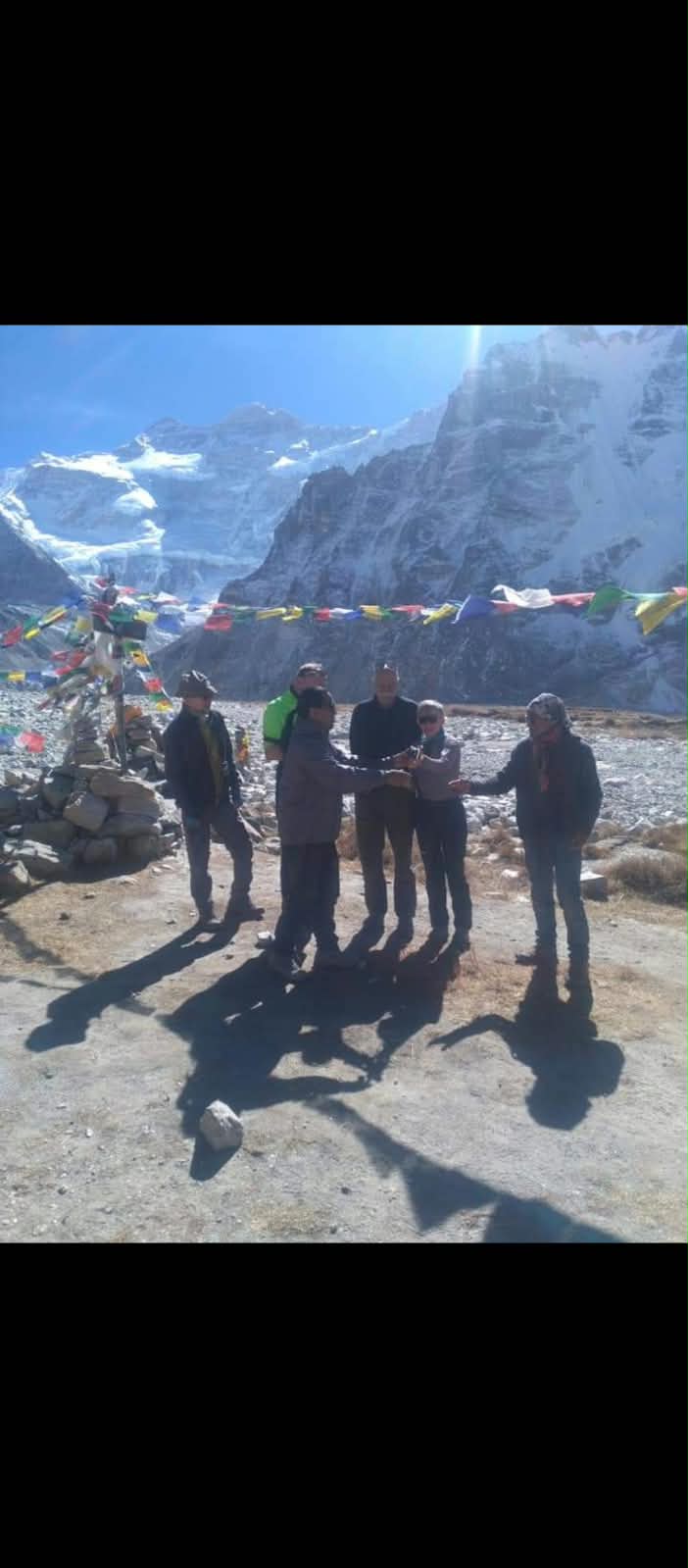
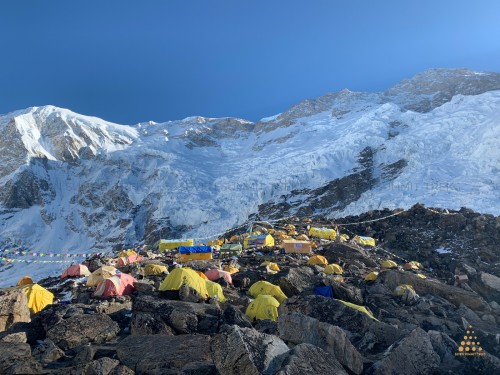
An kanchenjangga expedition is one of the world's most demanding mountaineering adventures, and reaching the summit is only possible because of the dedication, experience, and hard work of the expedition support team. Climbing Sherpas, expedition guides, cooks, kitchen staff, and porters all play a vital role in ensuring your safety, comfort, and success throughout the journey.
Climbing Sherpas are responsible for fixing ropes, carrying technical equipment, establishing high camps, assisting climbers during summit attempts, and responding to emergencies at extreme altitudes. Their knowledge and experience are invaluable, making them an essential part of every successful Everest expedition.
Showing appreciation through fair tipping and respectful treatment is an important part of mountaineering culture in Nepal.
1. Sherpa, Guide, and Support Staff Wages
Professional climbing Sherpas and expedition staff receive wages based on their experience, responsibilities, expedition duration, and the company they work for. Since an Everest Expedition is a highly specialized mountaineering activity, their responsibilities are significantly greater than those of trekking staff.
Most reputable expedition operators, including Nepal Voyage Treks Pvt. Ltd., provide their staff with:
- Fair wages according to industry standards.
- Food and accommodation throughout the expedition.
- Climbing insurance and emergency rescue insurance.
- Personal protective equipment for high-altitude work.
- Summit bonuses where applicable.
While wages are provided by the expedition company, tips remain an important way to recognize exceptional service and dedication.
2. How Much Should You Tip During an kanchenjangga expedition?
Tipping is not compulsory, but it is a long-standing tradition in Nepal's mountaineering industry. Climbers generally tip the expedition team at the end of the expedition as a gesture of appreciation for their professionalism, hard work, and commitment.
Recommended Tipping Guidelines
| Expedition Staff |
Recommended Tip |
| Climbing Sherpa |
USD 300–600 per climber |
| Expedition Leader / Lead Guide |
USD 200–500 per climber |
| Base Camp Manager |
USD 100–200 per climber |
| Kitchen Staff |
USD 80–150 per climber |
| Porters / Yaks Support Team |
USD 50–100 per climber |
| Kitchen Helper |
USD 50–100 per climber |
These amounts are general recommendations and may vary depending on:
- Expedition length.
- Quality of service.
- Number of climbers in the group.
- Whether your climbing Sherpa summited with you.
- Overall expedition experience.
For private expeditions, many climbers choose to offer larger tips to their personal climbing Sherpa in recognition of the close support provided throughout the climb.
3. Group Tipping
For group expeditions, climbers often collect contributions together and present the tips to the expedition staff during the farewell dinner or final celebration after returning from the mountain.
Group tipping helps ensure fairness and recognizes the efforts of every team member who contributed to the success of the expedition.
Whenever possible, present tips personally in an envelope along with a few words of thanks.
4. Respecting Your Climbing Sherpas and Support Team
Summiting Mount Everest is a team effort. Treating your Sherpas and support staff with respect creates a safer and more enjoyable expedition for everyone.
Respect Their Experience
Many climbing Sherpas have summited Mount Everest multiple times and possess extensive knowledge of high-altitude climbing, weather conditions, and mountain safety.
Always:
- Listen carefully to their advice.
- Follow safety instructions.
- Respect decisions regarding weather and climbing conditions.
- Trust their judgment if they recommend turning back for safety reasons.
Their experience can be critical to the success and safety of the expedition.
Value Their Work
Sherpas perform many demanding tasks, including:
- Carrying climbing equipment to higher camps.
- Fixing ropes and preparing climbing routes.
- Establishing and maintaining high camps.
- Assisting climbers during summit pushes.
- Helping with rescues during emergencies.
Recognizing their hard work through kindness and appreciation goes a long way.
5. Safety Comes Before the Summit
Every climber dreams of standing on the summit of Mount Everest, but safety must always remain the highest priority.
If your expedition leader or climbing Sherpa advises descending due to:
- Dangerous weather.
- Avalanche risk.
- High winds.
- Altitude sickness.
- Unsafe route conditions.
Always follow their recommendation. Turning back is never a failure—it is often the safest decision and increases your chances of returning for another attempt in the future.
6. When and How to Tip
The best time to present tips is after the expedition has successfully concluded, usually during the farewell dinner in Kathmandu or after returning from Everest Base Camp.
For a respectful presentation:
- Place your tip inside an envelope.
- Hand it directly to the individual.
- Thank them personally for their support.
- A simple "Dhanyabad" (Thank you) is always appreciated.
Personal appreciation often means as much as the financial reward.
7. Other Ways to Show Appreciation
While tipping is the most common way to thank your expedition team, there are many other meaningful gestures.
You can:
- Thank your climbing Sherpa personally after the summit attempt.
- Share photos from the expedition with your guides and Sherpas.
- Leave positive reviews mentioning staff members by name on Google, TripAdvisor, or other travel platforms.
- Recommend Nepal Voyage Treks Pvt. Ltd. to friends and fellow climbers.
- Stay in touch with your expedition team after returning home.
These simple gestures help support local professionals and recognize their dedication.
8. Quick Summary
| Aspect |
Recommendation |
| Climbing Sherpa Tip |
USD 300–600 per climber |
| Expedition Leader Tip |
USD 200–500 per climber |
| Kitchen Staff Tip |
USD 80–150 per climber |
| Porter / Yak Team Tip |
USD 50–100 per climber |
| When to Tip |
At the end of the expedition during the farewell gathering |
| How to Tip |
Present personally in an envelope with a sincere thank you |
| Best Practice |
Respect your Sherpas, follow safety advice, and appreciate every member of the expedition team
Travel Insurance for Everest Expedition
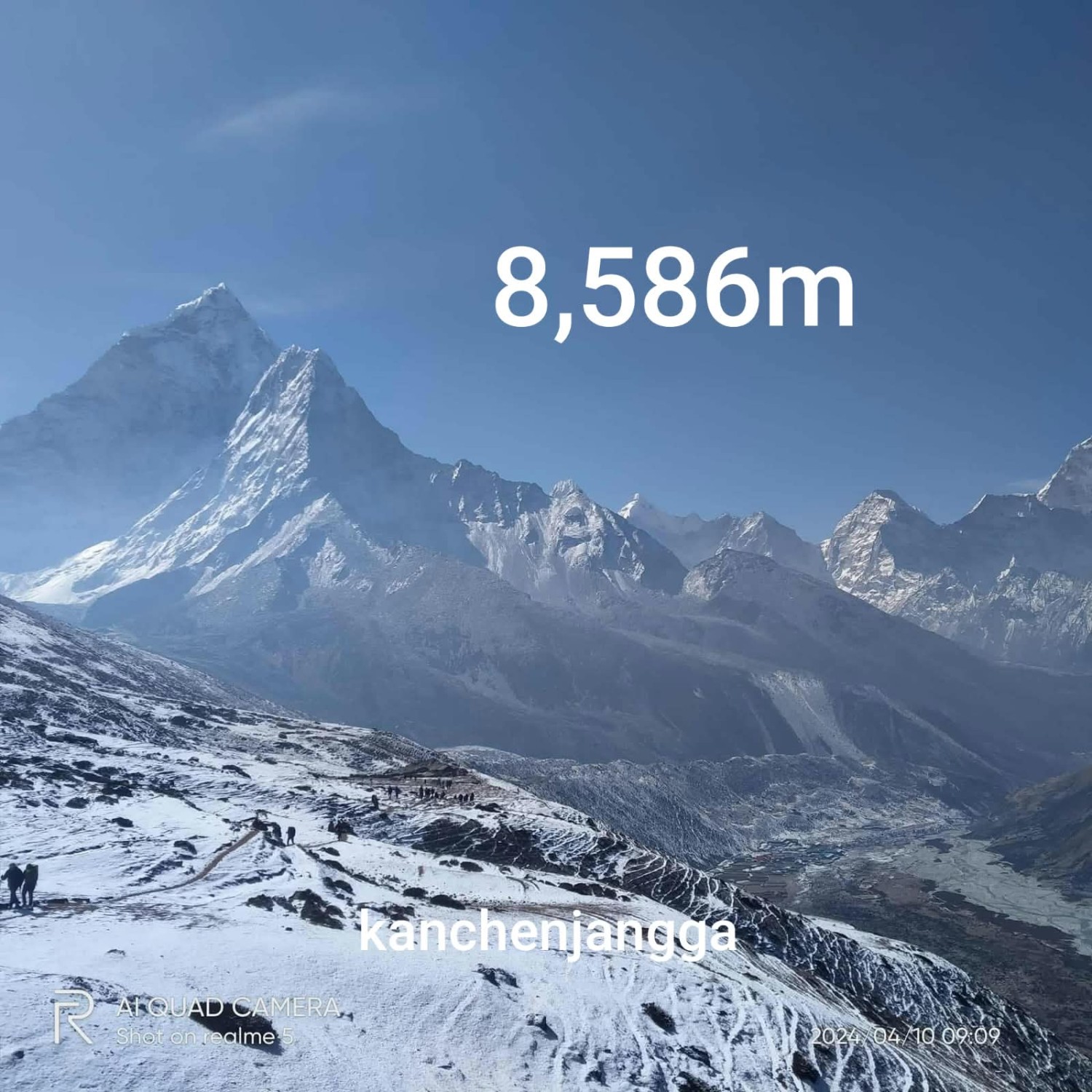
Travel insurance is a mandatory requirement for anyone planning an mt kanchenjangga expedition Standing at 8586 meters is the highest mountain in the world and presents extreme challenges, including severe weather, high altitude, glaciers, crevasses, avalanches, and unpredictable mountain conditions. Due to the remote location and limited medical facilities above kanchenjangga Camp, emergency helicopter rescue is often the only option in the event of an accident or serious illness.
Nepal Voyage Treks Pvt. Ltd. strongly recommends that every climber purchase comprehensive travel insurance specifically designed for high-altitude mountaineering expeditions. A suitable insurance policy provides financial protection against unexpected events and ensures that emergency medical treatment and rescue services can be arranged without delay.
Why Do You Need Travel Insurance for an Everest Expedition?
Climbing Mount Everest is one of the world's most demanding mountaineering achievements. Even experienced climbers face risks such as extreme weather, altitude-related illnesses, frostbite, falls, avalanches, crevasse accidents, and other unforeseen emergencies. Rescue operations in the Everest region are complex and expensive, making comprehensive travel insurance essential.
A reliable insurance policy allows you to focus on your expedition with greater confidence, knowing that you are protected if an emergency occurs.
With the right insurance, you can benefit from:
- Emergency helicopter rescue and evacuation from any accessible point on the Everest expedition route.
- Search and rescue operations during mountaineering emergencies.
- Medical treatment, hospitalization, and emergency healthcare.
- Coverage for altitude-related illnesses, including Acute Mountain Sickness (AMS), High Altitude Pulmonary Edema (HAPE), and High Altitude Cerebral Edema (HACE).
- Coverage for injuries caused by falls, ice, rockfall, or other climbing-related accidents.
- Protection against trip cancellation, interruption, or delays due to weather, flight cancellations, or unforeseen circumstances.
- Coverage for lost, delayed, or damaged baggage and mountaineering equipment, depending on your policy.
- Greater peace of mind throughout your expedition.
What Should Your Insurance Cover?
Not all travel insurance policies cover Mount Everest expeditions. Before purchasing a policy, carefully read the terms and conditions to ensure it specifically covers high-altitude mountaineering on Mount Everest.
1. High-Altitude Mountaineering Coverage
Your insurance policy must specifically cover:
- mt kanchenjangga expedition
- Mountaineering activities up 8586m
- Technical climbing using ropes, crampons, ice axes, fixed lines, and other climbing equipment.
- High-altitude expeditions in Nepal.
Many standard travel insurance policies exclude mountaineering above certain elevations, so always verify that Everest climbing is explicitly included.
2. Emergency Helicopter Rescue and Evacuation
Emergency helicopter rescue is one of the most important features of an Everest Expedition insurance policy.
Your policy should include:
- Emergency helicopter evacuation from Everest Base Camp and all accessible points along the climbing route.
- Helicopter rescue from Camps I and II where weather and operational conditions permit.
- Search and rescue operations coordinated with local authorities and rescue teams.
- Air evacuation to hospitals in Kathmandu or the nearest appropriate medical facility.
- Emergency transportation expenses.
Please note that helicopters cannot safely operate above certain altitudes, particularly near Camps III, IV, or the summit. In these situations, climbers are first assisted by Sherpas and rescue teams to lower elevations where helicopter evacuation becomes possible.
Helicopter rescue operations in the Everest region can cost between USD 5,000 and USD 15,000 or more, depending on the location, weather, and complexity of the rescue. Nepal Voyage Treks Pvt. Ltd. strongly recommends choosing an insurance policy that provides at least USD 100,000 to USD 200,000 in medical and emergency evacuation coverage.
3. Medical Expenses
Your insurance should provide comprehensive medical coverage for:
- Emergency medical treatment.
- Hospitalization.
- Doctor consultations.
- Prescription medications.
- Diagnostic tests.
- Frostbite treatment.
- Treatment for altitude-related illnesses.
- Emergency transportation.
- Follow-up medical care after evacuation, where applicable.
This coverage helps protect you from potentially significant medical expenses associated with high-altitude climbing.
4. Search and Rescue Operations
Because Mount Everest is a remote and technically demanding mountain, search and rescue operations may involve climbing Sherpas, rescue specialists, helicopters, and coordinated emergency teams.
Ensure your insurance policy clearly includes:
- High-altitude search and rescue.
- Mountaineering rescue operations.
- Emergency coordination services.
- Helicopter rescue where operationally possible.
5. Trip Cancellation and Expedition Interruption
Everest expeditions may be delayed or cancelled due to poor weather, avalanches, route closures, illness, injury, government regulations, or flight cancellations to and from Lukla.
A comprehensive insurance policy should reimburse eligible non-refundable expenses if your expedition is cancelled, interrupted, or delayed for covered reasons.
6. Baggage and Mountaineering Equipment
An Everest Expedition requires expensive technical equipment, including:
- High-altitude mountaineering boots.
- Crampons.
- Ice axe.
- Climbing harness.
- Helmet.
- Ascenders and descenders.
- Carabiners.
- Fixed-rope equipment.
- High-altitude down suit.
- Sleeping bag.
- Oxygen mask and regulator (if personally owned).
- Personal climbing gear.
Insurance covering lost, stolen, or damaged equipment can help reduce unexpected financial losses during your expedition.
7. Personal Liability
Personal liability coverage protects you if you accidentally cause injury to another person or damage someone else's property during your expedition.
Recommended Travel Insurance Providers
Several international insurance companies offer specialized policies for high-altitude mountaineering expeditions.
Some well-known providers include:
- World Nomads
- Global Rescue
- Allianz Travel Insurance
- True Traveller (for eligible European residents)
- AXA Assistance
Insurance coverage varies depending on your country of residence and the provider. Before purchasing your policy, confirm that it specifically covers:
Recommended Travel Insurance Providers
Several international insurance companies offer specialized policies for high-altitude mountaineering expeditions.
Some well-known providers include:
- World Nomads
- Global Rescue
- Allianz Travel Insurance
- True Traveller (for eligible European residents)
- AXA Assistance
Insurance coverage varies depending on your country of residence and the provider. Before purchasing your policy, confirm that it specifically covers:
- Mount kanchenjangga Expedition
- Mountaineering above 8,000 meters
- Emergency helicopter rescue
- High-altitude search and rescue
- Medical evacuation
- Technical climbing activities
- Emergency medical treatment in Nepal
Important Documents to Carry
Before leaving for your expedition, make sure you carry the following documents:
- A printed copy of your travel insurance policy.
- A digital copy stored on your phone or accessible via email.
- Your insurance policy number.
- Emergency contact numbers for your insurance provider.
- Copies of your passport, Nepal visa, climbing permit, and other important travel documents.
- Emergency contact details for family members or next of kin.
It is also essential to provide a copy of your insurance policy to your expedition leader and the Nepal Voyage Treks Pvt. Ltd. office before departing for Everest Base Camp. Having this information readily available allows emergency rescue, helicopter evacuation, and medical assistance to be arranged quickly if required during your Everest Expedition.
Final Advice
Before purchasing travel insurance, read the policy carefully and ensure there are no exclusions for mt kanchenjangga expeditions or climbing above 8,000 meters. If any part of the policy is unclear, contact the insurance provider directly for written confirmation.
Comprehensive travel insurance is not simply an additional expense—it is a vital safety measure that protects your health, finances, and well-being while attempting one of the world's greatest mountaineering challenges. Choosing the right insurance allows you to focus on your climb with greater confidence, knowing you are prepared for unexpected situations on the mountain.
|
Booking, Payment, Cancellation & Refund Policy
Nepal Voyage Treks Pvt. Ltd. is committed to providing clear, transparent and professional booking conditions for international travelers joining our trekking, tours, peak climbing and mountaineering expeditions in Nepal.
Because different trips require different levels of advance preparation, our payment and cancellation conditions vary according to the type of trip. Trekking, peak climbing and major 8,000-metre expeditions involve advance payments for permits, accommodation, transportation, domestic flights, guides, porters, climbing Sherpas, equipment, helicopter services and other suppliers.
By making a booking deposit, the client confirms that they have read, understood and accepted the following Booking, Payment, Cancellation and Refund Policy.
1. Trekking and Tour Booking Deposit
For standard trekking, hiking and tour packages, Nepal Voyage Treks generally requires a 30% advance payment of the total trip cost to confirm the booking.
The advance payment allows us to begin arranging the services included in your itinerary, such as accommodation, domestic flights, transportation, trekking permits, guides, porters and other necessary arrangements.
The remaining 70% balance should normally be paid before the trip begins, according to the payment schedule stated in the booking confirmation.
For certain trips, restricted-area trekking, special departures or bookings requiring significant advance payments to third-party suppliers, a different deposit may be required. The exact amount will always be stated in the quotation or booking confirmation.
2. Peak Climbing Booking Deposit
For peak climbing programs, including Mera Peak, Island Peak, Lobuche Peak and other climbing programs, Nepal Voyage Treks generally recommends a 40% advance payment to confirm the booking.
Peak climbing requires additional arrangements such as climbing permits, climbing guides or Sherpa support, equipment, accommodation, transportation and other technical logistics.
The remaining balance must be paid according to the agreed payment schedule and before the climbing program begins.
3. Major Mountaineering and 8,000-Metre Expedition Deposit
For major mountaineering expeditions such as Everest, Kanchenjunga, Lhotse, Makalu, Manaslu and other high-altitude expeditions, Nepal Voyage Treks generally requires approximately 50% advance payment to confirm the expedition.
This higher deposit is necessary because major expeditions involve substantial advance commitments, including government permits, expedition staff, climbing Sherpas, domestic flights, transportation, base-camp logistics, accommodation, food, tents, equipment, oxygen arrangements and, where applicable, helicopter services.
A typical payment schedule may be:
50% – Booking confirmation
30% – Before expedition departure
20% – Before the expedition begins / according to the final expedition agreement
The exact payment schedule will be stated in the individual expedition quotation and contract.
4. Why Is a Higher Deposit Required for Expeditions?
An 8,000-metre expedition is very different from a normal trekking trip. The company may need to make substantial payments months before the expedition begins.
These may include climbing permits, government fees, expedition staff salaries, Sherpa support, food, tents, equipment, transportation, helicopter reservations, domestic flights and other operational costs.
For this reason, expedition deposits may be less flexible than ordinary trekking deposits.
5. Booking Confirmation
A booking becomes confirmed after Nepal Voyage Treks receives the required deposit and provides written confirmation.
Once a booking is confirmed, we may begin making reservations and advance payments to hotels, lodges, airlines, transportation providers, guides, porters, Sherpa teams, permit authorities and other suppliers.
The client may be asked to provide the information necessary for the booking and permit process, including passport details and other required documentation.
6. Balance Payment
The remaining balance must be paid according to the payment schedule stated in the booking confirmation.
For standard trekking and tours, the remaining balance may normally be paid upon arrival in Kathmandu before the trip starts, provided that the booking confirmation allows this arrangement.
For peak climbing and major expeditions, full payment may be required before departure because permits, climbing logistics and other services must be secured in advance.
Nepal Voyage Treks reserves the right to cancel or suspend a booking if the required balance is not received by the agreed deadline.
7. Payment Methods
Payments may be made through the payment methods offered by Nepal Voyage Treks, including bank transfer and other approved payment methods.
All bank transfer charges, intermediary bank charges and payment processing fees, where applicable, are normally the responsibility of the client unless otherwise stated in the quotation.
The client should ensure that the full invoiced amount reaches Nepal Voyage Treks.
8. Currency
Our international quotations are normally provided in United States Dollars (USD) unless otherwise agreed.
If payment is made in another currency, the applicable exchange rate and bank/payment charges may affect the final amount received by Nepal Voyage Treks.
9. Cancellation by the Client – General Trekking and Tours
All cancellations must be submitted in writing, preferably by email. WhatsApp notification may be used for urgent communication, but the company may request written confirmation by email.
The cancellation date is considered to be the date on which Nepal Voyage Treks receives the written cancellation request.
For standard trekking and tour programs, we recommend the following cancellation schedule:
More than 45 days before departure: The advance payment may be refunded after deducting actual non-refundable costs already incurred.
30–44 days before departure: Up to 30% of the total trip cost may be retained as a cancellation charge.
15–29 days before departure: Up to 50% of the total trip cost may be retained.
7–14 days before departure: Up to 75% of the total trip cost may be retained.
Less than 7 days before departure, no-show or after the trip has started: Normally no refund will be provided.
The exact refund will depend on actual non-refundable expenses already paid to airlines, hotels, lodges, government authorities and other suppliers.
10. Cancellation – Peak Climbing
Peak climbing involves additional non-refundable expenses, particularly climbing permits, climbing staff, accommodation, transportation and equipment.
The recommended cancellation structure is:
60 or more days before departure: Refund may be provided after deducting actual non-refundable expenses.
30–59 days before departure: Approximately 30–40% cancellation charge may apply.
15–29 days before departure: Approximately 50–60% cancellation charge may apply.
7–14 days before departure: Approximately 75–80% cancellation charge may apply.
Less than 7 days before departure or after the trip begins: Normally no refund will be provided.
Climbing permits and other government or third-party costs that cannot be refunded will not be refundable to the client.
11. Cancellation – 8,000-Metre Expeditions
For an 8,000-metre mountaineering expedition, the cancellation conditions are stricter because major costs may be committed many months before departure.
The recommended policy is:
90 days or more before departure: Refund may be considered after deducting actual non-refundable costs.
60–89 days before departure: Approximately 30% of the expedition cost may be retained.
30–59 days before departure: Approximately 50% may be retained.
15–29 days before departure: Approximately 75% may be retained.
Less than 15 days before departure: Normally no refund will be provided.
After the expedition has started: Normally no refund will be provided for unused services.
This policy applies particularly to services that have already been paid for or committed, including climbing permits, government fees, Sherpa support, expedition staff, flights, helicopter services, accommodation, equipment, food, base-camp logistics and other non-refundable services.
Published policies from Nepal trekking and expedition operators similarly distinguish ordinary trekking from peak climbing and expedition cancellations and often treat climbing permits and other irreversible costs as non-refundable.
12. Kanchenjunga Expedition Cancellation
For the Kanchenjunga Expedition, clients should understand that the company may commit substantial funds before the expedition begins.
These commitments may include:
- Kanchenjunga climbing permit
- Conservation-area and government fees
- Domestic flights
- Ground transportation
- Helicopter arrangements
- Expedition staff
- Climbing Sherpas
- Base-camp logistics
- Tents and camping equipment
- Food and kitchen arrangements
- Oxygen and high-altitude equipment where included
- Accommodation
- Other expedition services
If the client cancels after these services have been purchased or committed and the money cannot be recovered from the relevant supplier, that amount will not be refundable.
13. Non-Refundable Expenses
Regardless of the cancellation date, the following may be non-refundable when already purchased or paid:
- Government permits
- Climbing permits
- Conservation fees
- Domestic flight tickets
- International flight tickets purchased on behalf of the client
- Helicopter charter or flight costs
- Hotel bookings
- Lodge bookings
- Equipment rental
- Insurance premiums
- Special transportation
- Expedition staff commitments
- Sherpa wages or advance payments
- Other third-party services that cannot be refunded
Clients will be informed of significant non-refundable expenses wherever reasonably possible.
14. No-Show Policy
A no-show means that a client does not arrive for the confirmed trip without providing adequate notice.
A no-show will normally result in 100% loss of the trip payment, because guides, porters, accommodation, permits, transportation, flights and other services may already have been arranged.
15. Early Departure
If a client voluntarily leaves a trek, tour, peak climbing program or expedition before completion, unused services are generally non-refundable.
This includes unused hotel nights, trekking days, meals, accommodation, transportation, permits, guide services, porter services, climbing services and other prepaid arrangements.
If the client leaves because of a medical emergency, the expedition team will provide reasonable assistance with arrangements, subject to local conditions and insurance coverage.
16. Cancellation Due to Medical Reasons
If a client becomes ill or injured before departure and cannot participate, the normal cancellation policy will apply.
If a client becomes ill or injured during a trek or expedition and must descend or return to Kathmandu, unused services are generally not refundable.
For this reason, comprehensive travel and mountaineering insurance is strongly recommended.
17. Travel Insurance
All international clients should obtain comprehensive travel insurance before travelling to Nepal.
For ordinary trekking, insurance should cover the maximum altitude of the planned trek, emergency medical treatment and emergency evacuation.
For peak climbing and 8,000-metre expeditions, insurance should specifically cover:
- High-altitude mountaineering
- Emergency medical treatment
- Helicopter evacuation where available
- Repatriation
- Trip cancellation
- Trip interruption
- Personal accident
- Baggage and personal belongings, where required
For an 8,000-metre expedition, ordinary travel insurance may not provide sufficient coverage. Clients must check the policy wording carefully.
18. Weather-Related Delays
Weather in the Himalayas can change rapidly.
Flights, helicopter operations, trekking routes and climbing schedules may be delayed or changed because of:
- Heavy snowfall
- Strong winds
- Poor visibility
- Storms
- Avalanche danger
- Landslides
- Floods
- Road conditions
- Airport closures
- Mountain safety conditions
The safety of clients and staff always takes priority over the original itinerary.
19. Domestic Flight Delays and Cancellations
Domestic flights in Nepal may be delayed or cancelled because of weather, visibility, airport conditions or operational reasons.
If a flight is cancelled, Nepal Voyage Treks will assist with rebooking or alternative arrangements where possible.
Additional costs for accommodation, meals, transportation, helicopter flights or other services caused by flight disruption may be the responsibility of the client unless specifically included in the package or covered by insurance.
20. Helicopter Cancellation or Delay
Helicopter operations depend on weather, visibility, wind, aircraft availability, aviation regulations and safety conditions.
A helicopter cannot operate simply because it is included in an itinerary. The pilot and aviation operator must determine whether the flight is safe.
If a helicopter cannot operate, Nepal Voyage Treks will attempt to arrange an appropriate alternative where practical.
Any additional helicopter or transportation cost will be handled according to the individual booking agreement.
21. Force Majeure
Nepal Voyage Treks shall not be responsible for circumstances beyond its reasonable control, including:
- Earthquakes
- Floods
- Landslides
- Avalanches
- Severe weather
- Political unrest
- Civil disturbances
- Strikes
- War
- Government restrictions
- Border closures
- Airport closures
- Epidemics or pandemics
- Natural disasters
- Major transportation disruption
- Other extraordinary events
In such circumstances, Nepal Voyage Treks will make reasonable efforts to reschedule the trip or offer an alternative arrangement where possible.
Any refund will depend on amounts recoverable from airlines, hotels, permit authorities, helicopter companies and other suppliers.
22. Cancellation by Nepal Voyage Treks
If Nepal Voyage Treks cancels a trip for reasons within the company's reasonable control before departure, the company will inform the client and, where appropriate, offer either:
- An alternative trip or date; or
- A refund according to the applicable booking agreement.
Where cancellation results from Force Majeure or circumstances outside the company's control, the refund will depend on actual recoverable funds from third-party suppliers and authorities.
23. Postponement Instead of Cancellation
Where possible, clients may request to postpone their trekking, climbing or expedition program instead of cancelling it.
Postponement is subject to:
- Availability
- New departure dates
- Permit validity
- Government regulations
- Airline availability
- Guide and Sherpa availability
- Equipment availability
- Supplier conditions
- Seasonal restrictions
A postponement or transfer fee may apply where the company has already incurred non-refundable expenses.
For major expeditions, postponement conditions will be agreed individually because government permits and climbing seasons may change.
24. Transfer of Booking
With prior written approval from Nepal Voyage Treks, a booking may sometimes be transferred to another person.
The replacement traveler must meet all relevant requirements, including passport, visa, insurance, health, climbing experience and permit requirements.
Any additional costs resulting from the transfer will be payable by the client.
25. Changes Requested by the Client
After a booking has been confirmed, any major change requested by the client may result in additional charges.
Examples include:
- Changing the departure date
- Changing the trekking route
- Adding extra hotel nights
- Changing domestic flights
- Adding helicopter services
- Changing accommodation
- Adding private transportation
- Extending the trip
- Changing group size
Additional costs will be communicated before the changes are confirmed whenever possible.
26. Unused Services
No automatic refund will be provided for services that a client chooses not to use after the trip begins.
Examples include:
- Unused accommodation
- Unused meals
- Unused trekking days
- Unused transportation
- Unused guide or porter services
- Unused domestic flights
- Unused climbing services
- Unused expedition facilities
This policy applies because most trekking and expedition services are reserved and paid for in advance.
27. Government Fees and Price Changes
Government regulations, permit fees, conservation fees, taxes, airline fares, fuel prices, exchange rates and other operational costs can change.
If a government authority introduces a new mandatory charge after the original quotation, the additional cost may need to be paid by the client unless the booking agreement specifically states that the price is fixed and inclusive of such changes.
28. International Bank Transfer Charges
When paying by international bank transfer, the client is responsible for ensuring that Nepal Voyage Treks receives the full amount stated on the invoice.
Correspondent-bank, intermediary-bank and receiving-bank charges may apply.
The client should check with their bank before making the transfer.
29. Refund Procedure
Where a refund is applicable, the client must submit a written refund request.
Nepal Voyage Treks will calculate the refundable amount after deducting applicable:
- Cancellation charges
- Government fees
- Permit fees
- Airline charges
- Hotel cancellation charges
- Helicopter charges
- Supplier charges
- Bank charges
- Other non-refundable expenses
International refunds may take additional processing time because of banking procedures and international transfers.
30. Refund Currency
Refunds will normally be made in the currency in which the payment was received, subject to banking regulations and available payment methods.
Any bank or transfer charges associated with the refund may be deducted from the refundable amount.
31. Important Policy for 8,000-Metre Expeditions
Clients joining an 8,000-metre expedition must understand that the expedition is subject to mountain conditions and safety decisions.
Failure to reach the summit does not automatically qualify for a refund.
If the summit attempt is cancelled because of:
- Bad weather
- High winds
- Avalanche danger
- Route conditions
- Health problems
- Altitude sickness
- Technical hazards
- Safety concerns
- Government restrictions
- Expedition leader's decision
the expedition cost will generally remain non-refundable because the majority of expedition services and staff commitments have already been provided or reserved.
32. Summit Guarantee
Nepal Voyage Treks does not guarantee a summit.
No responsible expedition operator can guarantee that a climber will reach the summit of an 8,000-metre mountain.
The final decision to continue climbing, turn around, postpone the summit attempt or terminate an expedition will always prioritize safety.
33. Client Responsibility
Every client is responsible for:
- Providing accurate personal information
- Having a valid passport
- Obtaining the appropriate Nepal visa
- Obtaining suitable travel insurance
- Disclosing relevant climbing experience
- Preparing appropriate equipment
- Maintaining appropriate fitness
- Following the instructions of guides and expedition leaders
- Paying all amounts by the agreed deadlines
- Following Nepalese laws and regulations
- Respecting local communities and the environment
34. Acceptance of Risk
Trekking, mountaineering, peak climbing and high-altitude expeditions involve inherent risks.
These may include:
- Altitude sickness
- Extreme cold
- Snowstorms
- Avalanches
- Crevasses
- Rockfall
- Icefall
- Falls
- Exhaustion
- Hypothermia
- Frostbite
- Weather changes
- Flight delays
- Road conditions
- Medical emergencies
Clients must understand and accept these risks before participating in the trip.
35. Recommended Payment Structure for Nepal Voyage Treks
For clarity, transparency and easy understanding by international clients, Nepal Voyage Treks recommends the following standard structure:
Trekking & Tours
30% advance payment to confirm the booking.
70% balance before the trip starts or according to the booking confirmation.
Peak Climbing
40% advance payment to confirm the booking.
60% balance before the climbing program begins.
8,000-Metre Expeditions
50% advance payment to confirm the expedition.
30% payment before expedition departure.
20% final payment according to the agreed expedition contract.
The exact payment schedule may be adjusted according to government permits, flights, helicopter arrangements and other advance commitments.
36. Why This Policy Is Important
A clear cancellation and payment policy protects both the client and Nepal Voyage Treks.
The client knows exactly how much must be paid, when payment is due, what happens if they cancel and which costs may be non-refundable.
At the same time, Nepal Voyage Treks can safely make advance arrangements with hotels, airlines, government authorities, guides, porters, Sherpas, helicopter operators and other suppliers.
37. Final Contract
The final quotation, invoice, booking confirmation and signed agreement issued by Nepal Voyage Treks will contain the specific payment and cancellation conditions applicable to the individual trip.
Where there is any difference between general website information and the specific written booking agreement, the specific booking agreement will take precedence.
38. Contact Nepal Voyage Treks
Nepal Voyage Treks Pvt. Ltd.
Nepal Himalaya Trekking, Peak Climbing & Expedition Specialist
Website: www.nepalvoyagetreks.com
WhatsApp: +977 9851080223
For your specific trekking, peak climbing or mountaineering expedition, please contact Nepal Voyage Treks for the latest quotation, payment schedule, cancellation conditions and complete booking agreement.
Nepal Voyage Treks – Your Trusted Partner for Trekking, Peak Climbing and Himalayan Expeditions in Nepal.
Final Note
An Everest Expedition is far more than a personal achievement—it is the result of teamwork, trust, and the dedication of experienced climbing professionals. Your climbing Sherpas, guides, cooks, porters, and support staff work tirelessly to help make your expedition as safe and successful as possible.
By offering a fair tip, showing genuine appreciation, and treating every member of the team with respect, you help support Nepal's mountaineering community and recognize the remarkable people whose skill and commitment make climbing the world's highest mountain possible.